How to Use Data To Tell a Story


Using data to tell a story using something as dry and dense as financial data? It isn’t easy, but it’s not impossible either. More importantly, being able to build financial intelligence through narrative form is exactly the kind of skill today’s F&A teams need to cultivate.
As finance rises to the forefront of the organization, executives, department heads, and countless others need to understand their own impact on the bottom line. The F&A team could use a spreadsheet to explain the situation, but the information is so much richer presented as a story. No matter who your audience is, use these tips to make data storytelling as clear and compelling as possible.
What is Using Data to Tell a Story?
Using data to tell a story is the practice of transforming raw data into a cohesive narrative that provides context, meaning, and insights for the audience. Rather than presenting numbers or statistics alone, data storytelling combines data analysis with narrative techniques to highlight trends, patterns, and implications in a way that resonates with readers or viewers. This approach goes beyond simply displaying charts or tables; it interprets the data, guiding audiences to understand the relevance and importance of the information in relation to specific goals or challenges.
Data storytelling is a valuable tool across various fields—business, healthcare, finance, and education—where it helps decision-makers understand complex information, connect with key insights, and make informed choices. By integrating data with storytelling elements, organizations can present information that is not only informative but also engaging, helping bridge the gap between analytics and actionable insights.
Why Using Data to Tell a Story is Important
Using data to tell a story is essential in today’s data-driven world, as it helps organizations present insights in a way that resonates with audiences and inspires action. By turning raw numbers into a relatable narrative, businesses can deepen understanding, connect with stakeholders, and highlight the importance of key metrics. This approach also allows leaders to focus attention on what matters most while providing a clear context for decision-making.
- Enhanced Understanding: Transforming data into a narrative makes complex information accessible, helping teams comprehend insights more effectively.
- Increased Engagement: A well-told story can captivate audiences, keeping them engaged and making data memorable.
- Better Decision-Making: Storytelling places data in context, allowing decision-makers to see both the facts and their implications.
- Strategic Alignment: Narratives that connect data with organizational goals help unify teams around shared objectives.
- Improved Communication: Data storytelling translates technical insights into language everyone can understand, promoting cross-functional understanding.
Challenges of Using Data to Tell a Story
While using data storytelling is powerful, it comes with several challenges that can make the process difficult. From determining the right data points to presenting them in an engaging format, effective storytelling requires a careful balance. These challenges often lie in crafting a cohesive narrative that is both accurate and adaptable to different audiences.
- Data Selection: Choosing relevant data to create a meaningful story can be overwhelming, especially with vast datasets.
- Ensuring Accuracy: Data misinterpretation or inaccuracies can undermine the story, reducing credibility and trust.
- Adapting for Diverse Audiences: Different audiences require varying levels of detail, making it challenging to tailor the story appropriately.
- Balancing Engagement with Clarity: Presenting data in an engaging yet understandable format can be a delicate balance, especially with technical information.
- Time and Resource Constraints: Crafting a well-told story takes time and resources, which can be challenging in fast-paced environments.
Benefits of Using Data to Tell a Story
Using data storytelling offers numerous benefits that extend beyond simple information-sharing. By framing insights in a story, organizations can make data actionable, foster alignment, and promote a culture of informed decision-making. These benefits underscore the value of presenting data in a way that speaks to the priorities and challenges of the audience.
- Clearer Insights: Data storytelling distills complex insights into a digestible format, ensuring key messages stand out.
- Stronger Engagement: Narratives make data more relatable, enhancing stakeholder interest and retention.
- Alignment with Goals: Storytelling links insights to strategic goals, helping teams see how their work supports broader objectives.
- Enhanced Collaboration: With information framed accessibly, cross-functional teams are better positioned to work together effectively.
- Support for Informed Decisions: Data stories provide the context decision-makers need, bridging the gap between analysis and action.
Each of these benefits contributes to a stronger, data-informed culture that empowers teams to leverage insights for growth and improvement.
6 Steps to Tell a Financial Story
Understanding how to use data to tell a story is crucial for engaging and informing stakeholders. Crafting a compelling financial story requires a thoughtful approach that makes complex data both understandable and engaging. Financial storytelling goes beyond simply presenting numbers; it involves translating data into a narrative that connects with the audience on both a strategic and emotional level. By creating a structured process, businesses can ensure each story highlights critical insights, aligns with organizational goals, and resonates with diverse stakeholders. The following steps serve as a roadmap for building an impactful financial story, helping companies communicate financial performance in a way that fosters informed decision-making and deeper engagement.
1. Give the Story Context
In learning how to use data to tell a story, setting the context is essential. Start by offering any background necessary to make the rest of your story clear. Describe the key objectives and what the narrative will cover and why. This introduction helps ground the audience, but should be kept brief.
2. Add Spice with Convincing Data Visualizations
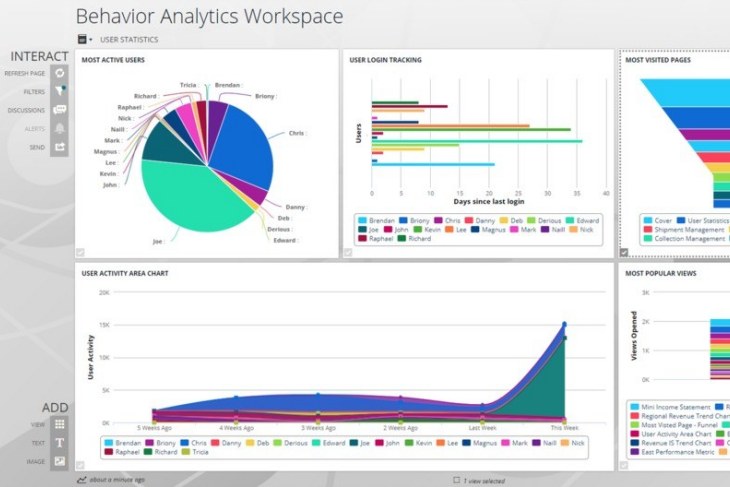
Data visualization is a key part of using data to tell a story effectively. Once you begin, back up your assertions with data that shows how you reached each conclusion. Demonstrate your decision-making process explicitly by showing how you moved from one point to another based on insights. By strategically highlighting data points, you can create a narrative that flows seamlessly from one insight to the next.
3. Create a Sense of Urgency
You want to describe a set of circumstances, but you also want to spur on action. Create a sense of urgency by highlighting what will happen if the company doesn’t act. Make the timeline clear and the implications specific. Think of this as the antagonist of the story: the obstacle or opponent the company is up against if it doesn’t make the right financial moves.
4. Highlight the Takeaways
Financial data storytelling should build to a “takeaways” section where you underline the most important insights backed up with hard facts and figures. These are the numbers decision-makers need to remember or else the actionable information that informs their next big decision. Be sure to set up what you will be building to in this section sometime in your introduction.

5. Propose a Plan
This is where the rubber hits the road. Based on the data, the F&A team has identified the right course of action, so give clear, specific recommendations as to the next steps for your audience to take. This will help speed the decision-making process and ensure that your story leads to actionable results for the company.
6. Summarize with a Forward-Looking Conclusion
Once you’ve set the stage, led your audience through the meat of your story, and recommended insightful next steps to take, it’s time to wow them with an impactful conclusion. End your story with data and analysis that predicts the potential outcomes for following the recommendations you have provided. This increases the chance that your listeners will take the proposed steps to help your business grow.
(Download our infographic entitled “How to Tell Your Financial Story in 6 Easy Steps” to learn more.)
If telling a good story (financial or otherwise) was as easy as consulting a list of tips, everyone would be a captivating storyteller. The reality is that all good stories are carefully crafted, and good storytellers develop from years of practice. What’s different about data storytelling is that technology can help build the narrative.
With a purpose-built financial reporting tool, the F&A team has access to all relevant data, along with tools to analyze, visualize, and organize that data into compelling narrative formats. These tools can’t write the story, but they can make it vastly more convincing and compelling. If you’re ready to transform financial intelligence, insightsoftware has an out-of-the-box solution. To see it in action, request a free demo today!

Related Resources